Dallas Roof Leak That Stumped the Last Roofer - Fixed Right
Some leaks are easy to find. Others take a trained eye and a willingness to actually dig into what's going on - not just slap a patch on and call it a day. This homeowner had already been down that road with another roofer. The leak kept coming back. So they called us.
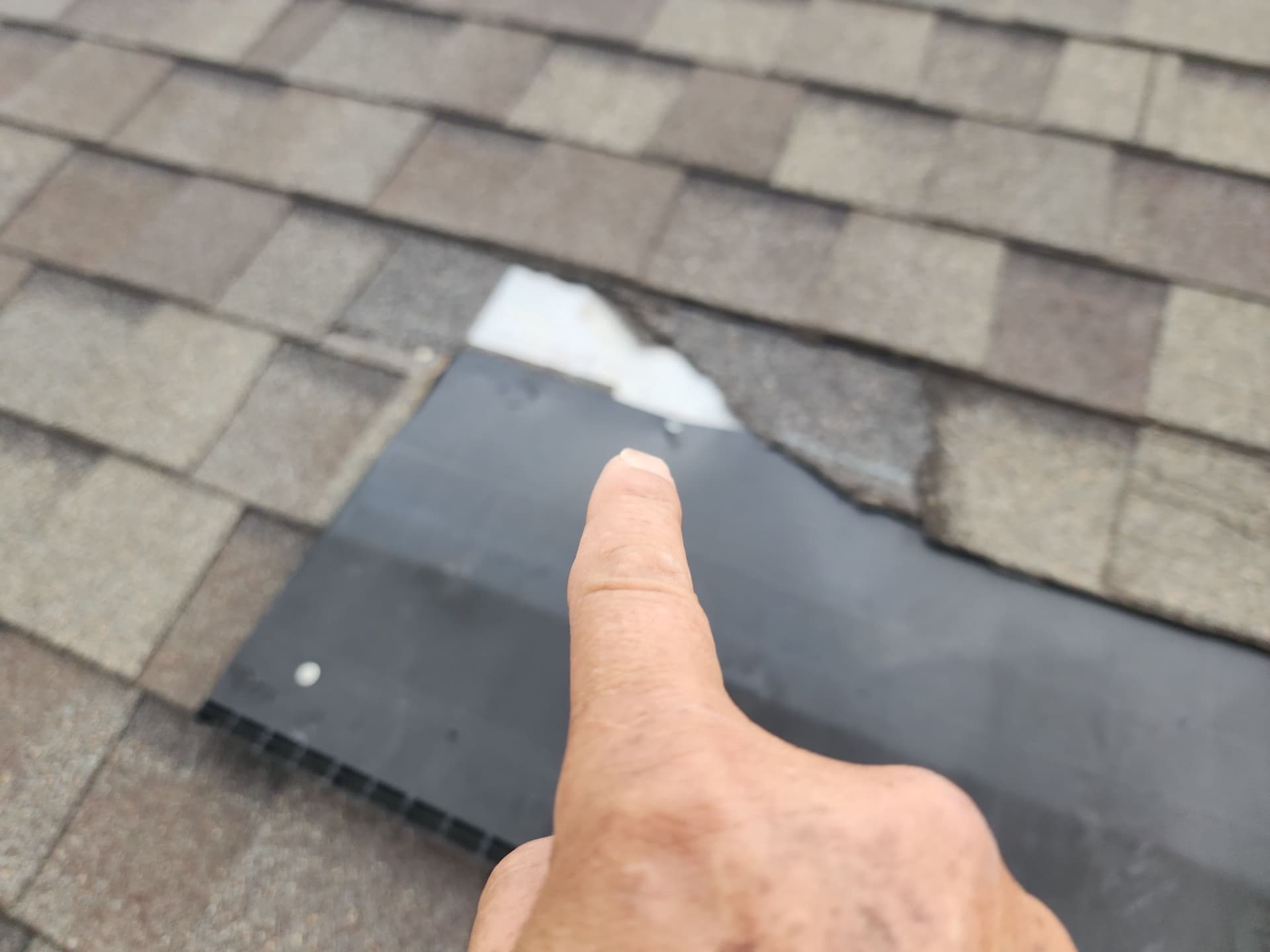
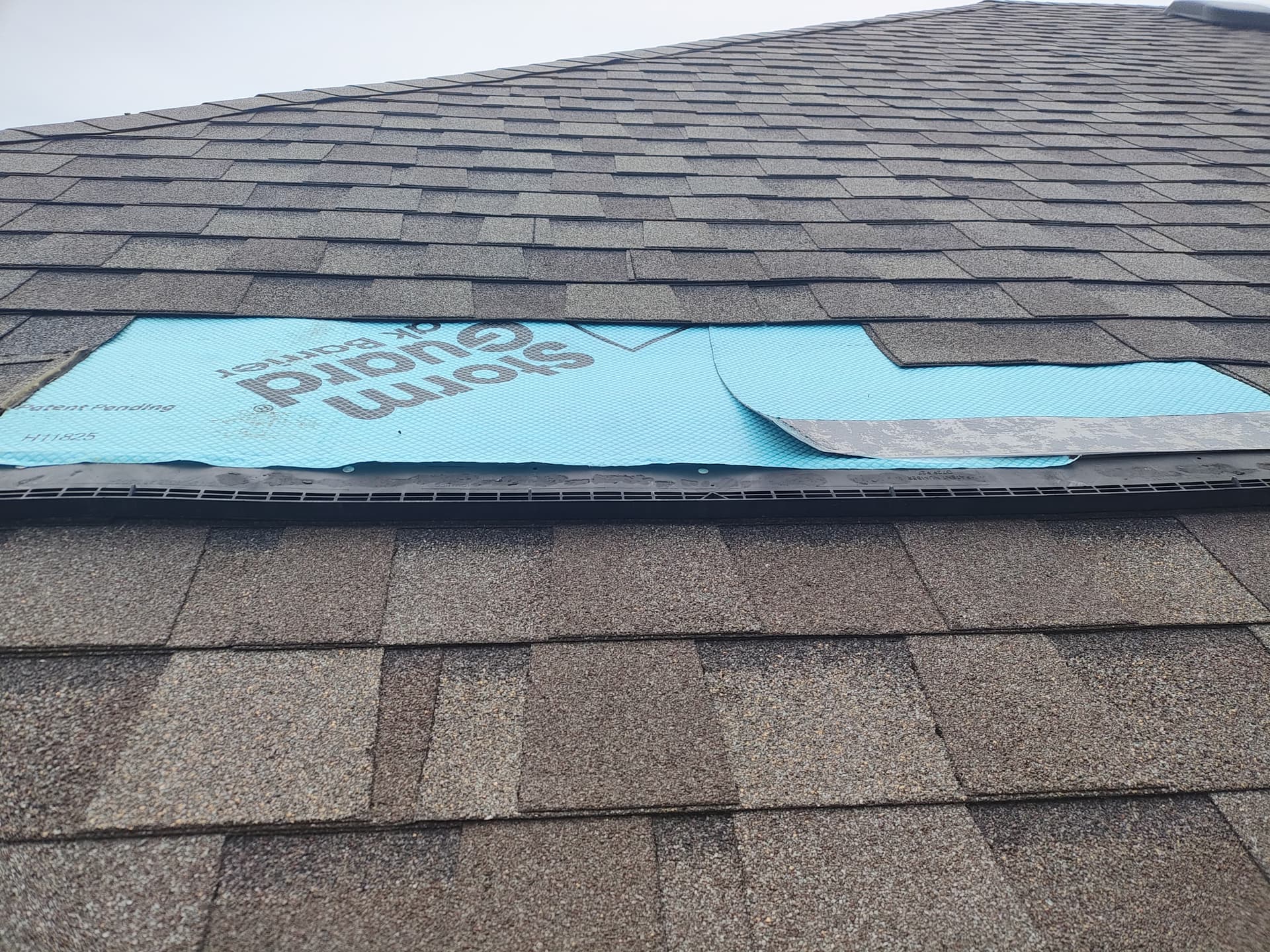
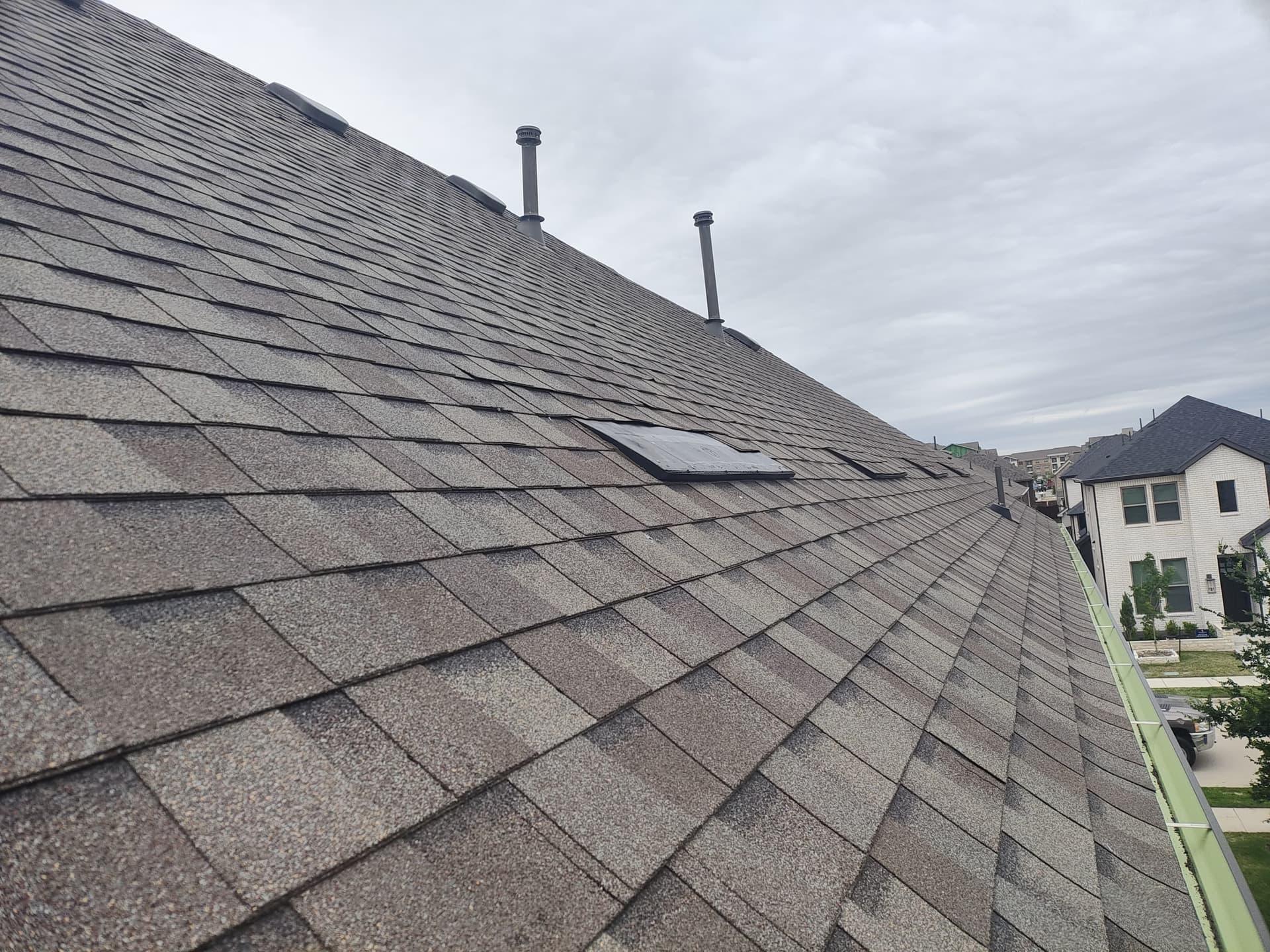
When we got up on the roof, our inspection turned up the real culprit pretty fast. Damaged and lifted shingles had left the underlayment exposed and compromised. That's the layer sitting between your shingles and your roof deck - and when it's torn or improperly sealed, water finds a way in every single time. No amount of surface-level patching fixes that.
Here's what separates a real repair from a temporary fix. We pulled back what needed to come off, assessed the underlayment and decking underneath, and made sure Storm Guard leak barrier was properly installed before anything went back on. That product is a self-adhering, waterproofing underlayment - it's a serious upgrade over standard felt, and it's exactly what you want in a spot that's been giving a homeowner trouble.
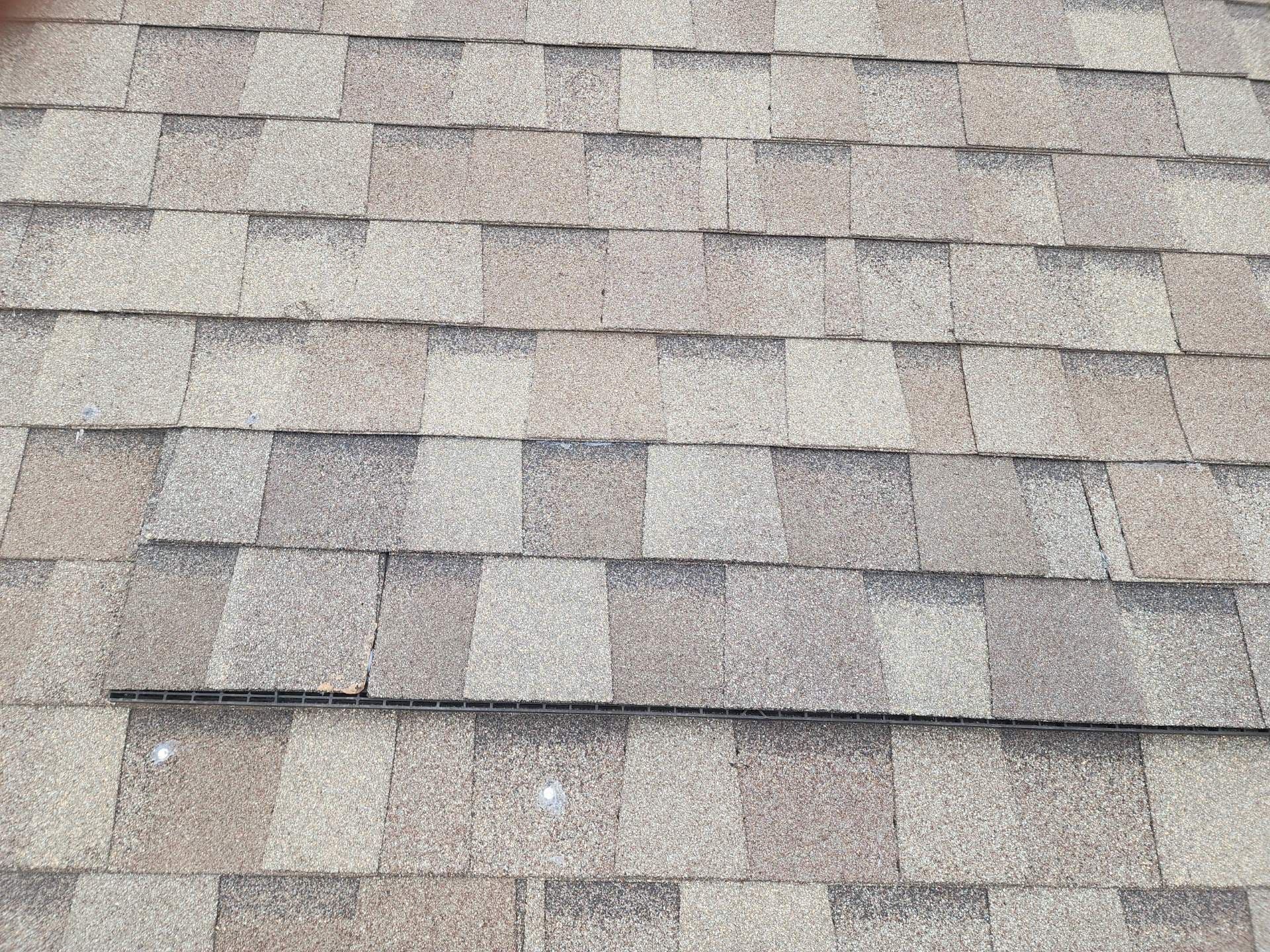
Once the repair section was properly layered and sealed, new shingles went back down and everything was integrated cleanly with the surrounding roof. The finished shingle field is tight and uniform, with drip edge seated correctly along the eave. No shortcuts. No gaps. The kind of roof repair that holds.
If you've had a roofer out and the leak is still happening, that's a red flag. Roof leak repair done right starts with a thorough roof inspection - not a guess. We work all across Dallas, and we're not in the business of quick patches that leave you calling again in six months.